
Context of “Khula”
Islamic marital law is deeply rooted in the veneration of marriage and the concept of ‘Khula’ stands out as a crucial component, particularly for women. Based on Islamic beliefs and historical precedents, it stands for a woman’s right to obtain a divorce.
Understanding Khula
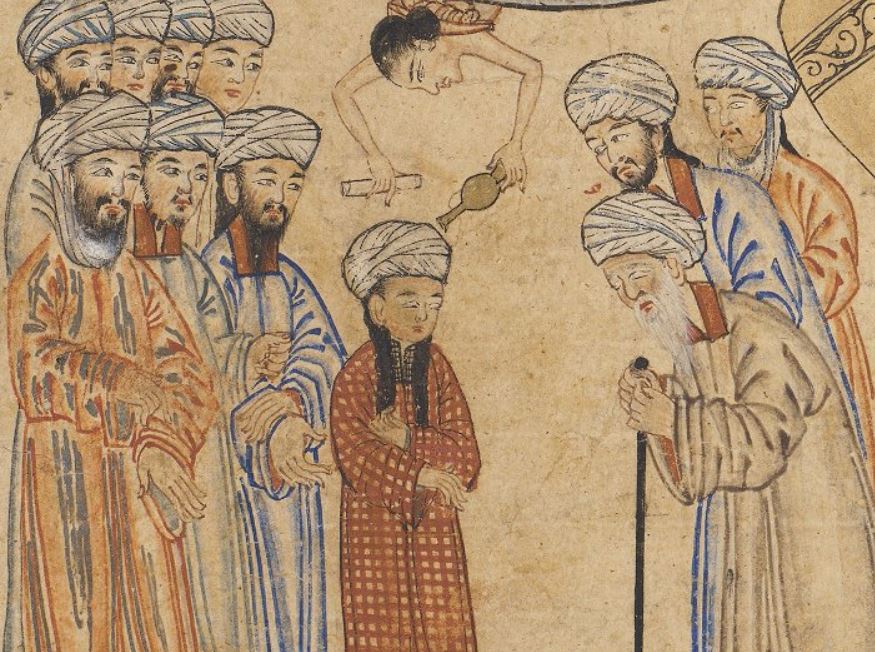
According to Islamic law, a woman can file for a divorce through the khula process. One historical incident from Islam that exemplifies this idea is when Jamila went to the Prophet Muhammad to tell him that she couldn’t feel anything for her husband, Thabit ibn Qays. To help Khula get off to a good start, the Prophet acknowledged her predicament and arranged for their separation.
“The Khula Process”
Let us pretend for a moment that Aisha and Ahmed are not real. After seeing that Ahmed is ignoring her in her marriage, Aisha makes the decision to seek out Khula. She goes to an Islamic court, explains why she’s willing to return the dowry, and gets the go light. The court allows the Khula, dissolving the marriage, after reviewing her case and assuring mutual agreement.
Conditions and Considerations
As is evident in various Islamic communities, the conditions under Khula might vary. As an example, whereas the judge’s ruling may be sufficient in Maliki or Shafi’i interpretations, the husband’s consent may be required in a Hanafi society. The varied experiences of women seeking Khula throughout the Islamic world are a reflection of this diversity.
Legal and Social Dynamics
The difficulties encountered by Khula are exemplified by the tale of Fatima in a conservative culture. Despite enduring emotional abuse, Fatima faces social stigma and familial pressure on her path to get Khula, illustrating the intricate relationship between religious rights and society standards.
Modern Perspectives
The use of Khula in modern contexts frequently clashes with contemporary legal frameworks. Some countries, like Egypt, have tried to simplify the Khula process such that it conforms to Islamic values while also meeting international human rights norms.
Hence, These instances demonstrate that Islam recognizes the complexities of marriage relationships through khula. Not only does it support a woman’s right to leave an unsatisfactory marriage with dignity, but it also shows how its application is changing to fit society.